01 / Power
Existing service capacity, distance to the nearest substation, and interconnection status. Almost always the single biggest factor.
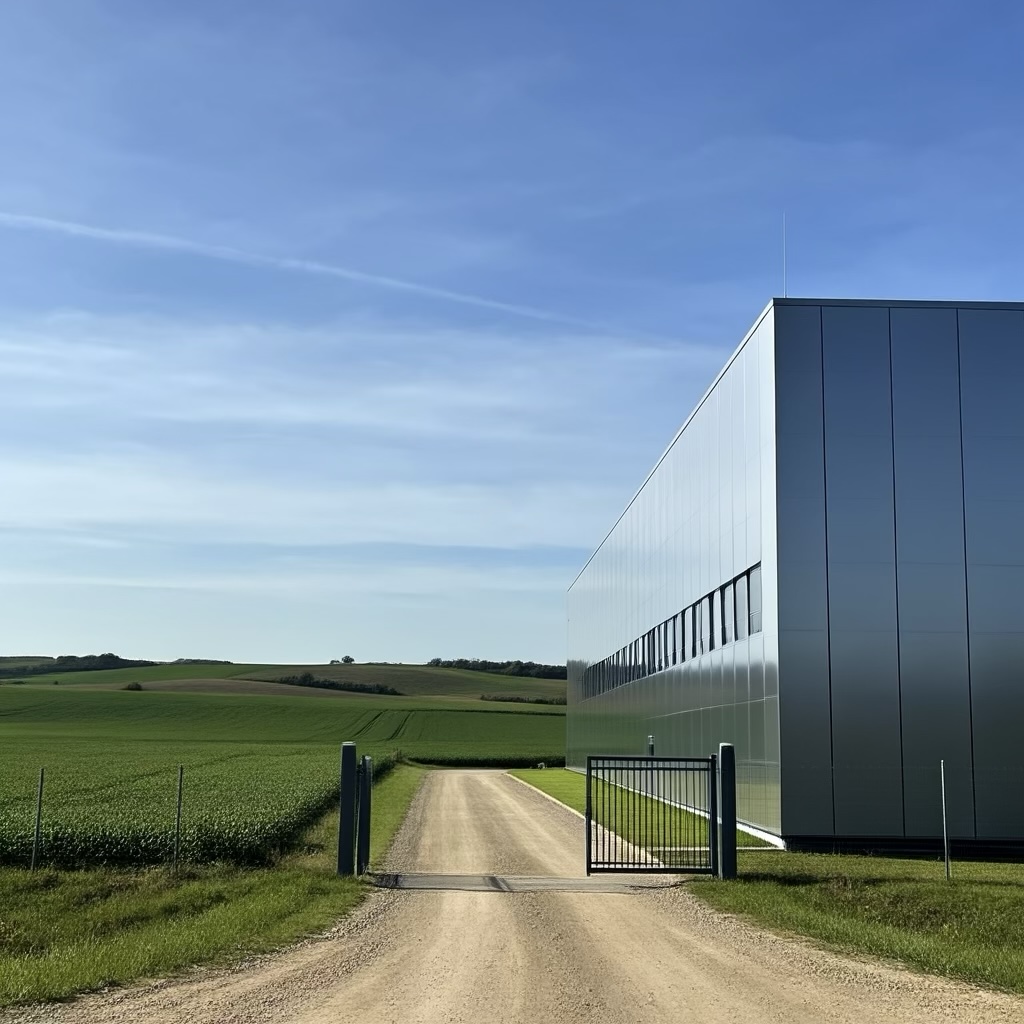
Data center and infrastructure developers are actively searching for sites exactly like yours — heavy power service, industrial zoning, and road access already in place. Tell us about your property and find out what it's worth to them.
Free · No obligation to sell or lease · Nothing is shared with a developer until you approve it
Looking for a site to develop? Search our inventory →
Six fields. No survey, no documents, no site visit to get started.
Screened on power, acreage, condition, and geography against active search criteria.
Review any interest and negotiate, or walk away. It costs you nothing either way.
Taxes, insurance, upkeep, security. An idle industrial parcel bills you every year whether anything happens on it or not.
Meanwhile, developers are paying a premium for exactly the kind of site you already own. Greenfield land means new zoning, new utility hookups, and years of approvals. Your parcel may already have the three things that take longest to get: heavy power service, industrial zoning, and road access for heavy equipment. That's why a property you've written off as a liability can be the most valuable thing on a developer's list — and why the deal shouldn't go to the greenfield parcel down the road instead of you.
MegawattLands.com is a matching platform that connects owners of idle, vacant, or brownfield industrial land with data center and infrastructure developers seeking sites that already have power service, industrial zoning, and heavy access — reducing site selection timelines that can otherwise take years on undeveloped land.
You don't need to have answers to all of this before you get in touch. This is what we work out with you once your site is in front of us.
Existing service capacity, distance to the nearest substation, and interconnection status. Almost always the single biggest factor.
Usable acres, parcel shape, and whether the footprint supports a modern build.
Industrial zoning already in place, and what a change of use would actually require locally.
Existing buildings, pads, and rail that can be reused. Contamination is profiled honestly rather than hidden — it's a factor, not a disqualifier.
Proximity to long-haul fiber routes, and water available for cooling.
Where your site sits relative to demand and power prices — and which EDA or brownfield programs it may qualify for.
Four questions, about a minute, and no contact details required. You'll get a straight read on whether your property has what developers screen for first — before you decide whether to build a full profile.
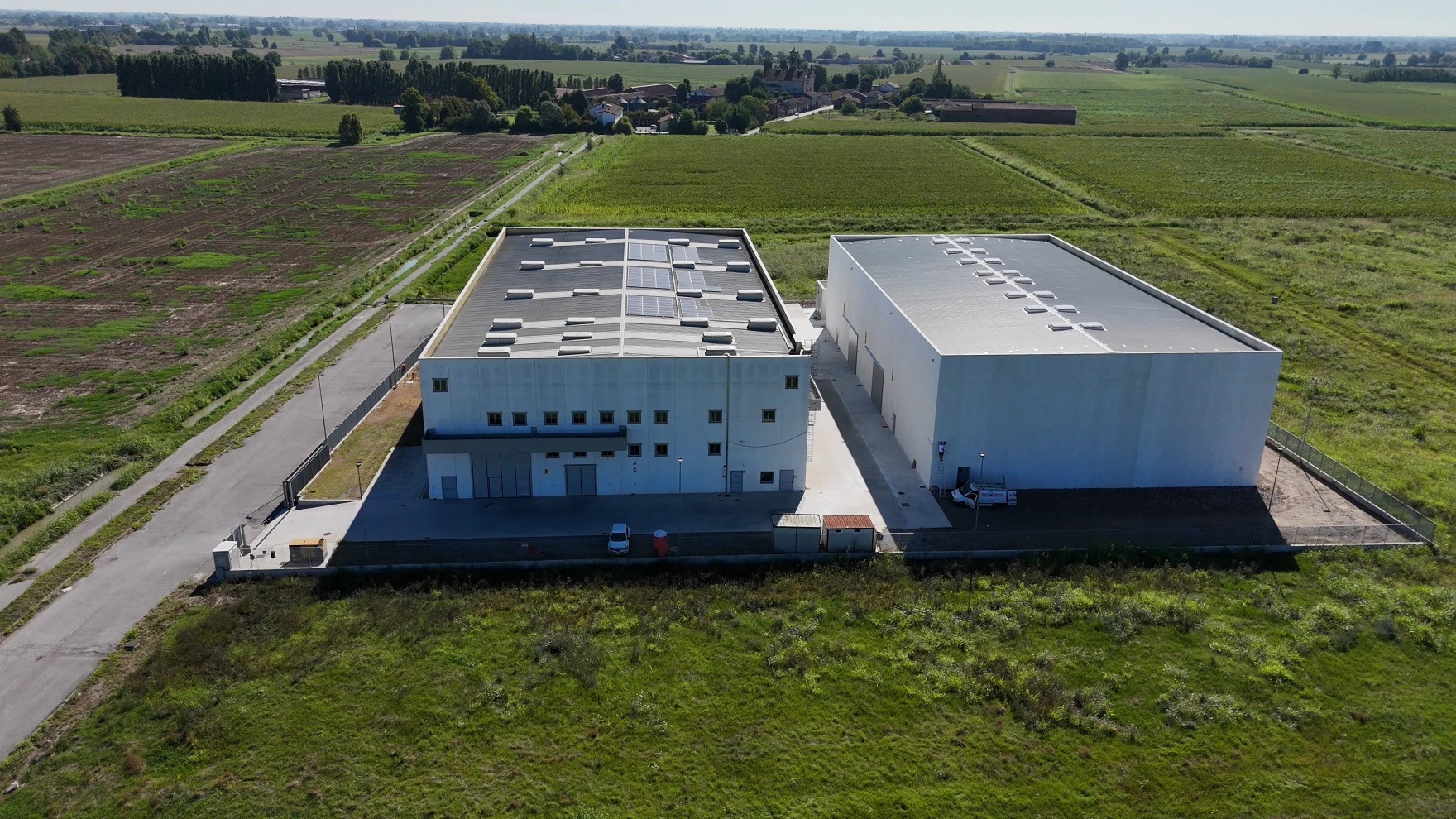
Six fields: your name, how to reach you, the zip code, and roughly how many acres. That's the whole ask.
We fill in power, zoning, and geography from public records and one short call with you. Nothing to prepare in advance.
When a developer's criteria line up with your site, we come to you for approval before your details go anywhere.
Take the introduction, negotiate, or walk away. There is no fee and no obligation at any step.
Power is the first thing a developer screens for. Search your site's address on the live grid map to see the transmission network and the nearest substation — then get your free site profile.
Counties where we already hold sites with the infrastructure developers screen for first. The sites themselves are shared directly — zoom in on a county you're working and leave your details.
If you're sitting on a vacant plant, an underused yard, or a brownfield parcel, these are the questions worth asking before you write it off.
Often, yes. Developers value existing industrial sites for the heavy power service, industrial zoning, and road access already in place — those are the things that take longest to get on raw land, and having them can save a developer years. A building you think of as obsolete may matter far less than the service feeding it.
Building a site profile is free, and listing doesn't obligate you to sell, lease, or accept any introduction. The platform exists to surface matches between idle supply and active demand — you decide whether and how to move forward on any match we facilitate.
Your information is never sold, and it isn't shared with a developer until you approve the introduction. We use it to build your site profile and to reach you — nothing else. See our Privacy Policy for the full detail.
No. You review any match and decide whether to move forward — there's no obligation at any step, and no exclusivity. If the terms don't work, the site stays in the network for the next fit.
More than you'd think: shuttered or partially used manufacturing plants, vacant warehouses and distribution yards, former rail or logistics sites, decommissioned utility property, and underused industrial-zoned acreage. If it carries industrial zoning and existing infrastructure but isn't producing income, it likely qualifies for a profile.
Speed. Greenfield development means new zoning, new utility hookups, and years of approvals. An existing industrial site often already has the things that take longest: heavy power service, industrial zoning, and road access for heavy equipment.
For developers racing against interconnection queues, a site that's already industrial can shave years off a timeline — which is exactly why your "idle" parcel may be more valuable than it looks.
Often, yes. Contamination is a factor, not an automatic disqualifier — many brownfield sites are redeveloped successfully, with dedicated state and federal programs, grants, and liability protections designed to support exactly that. We work alongside brownfield redevelopment programs, so a site's environmental history is profiled honestly rather than hidden. What matters is whether the infrastructure value outweighs the remediation cost — for power-rich sites, it frequently does.
No. Don't spend money preparing a site before you know what a developer actually wants. In some cases existing buildings and infrastructure are an asset to be reused; in others a developer plans their own remediation. List the site as it is, and let the matching process tell you what's worth doing.
An EDA — Economic Development Agency — is a local or regional body that works to attract investment and jobs to its area. EDAs often have incentives, site-readiness funding, and a direct interest in seeing idle industrial land put back to work. We build alongside EDAs and brownfield programs because they can make your site more attractive and a deal easier to close.
There are two clocks, and it's worth separating them. Ours is short: a person reads every submission, and building out your site profile from public records and one call with you typically takes a week or two.
The developer clock is longer and outside anyone's control: data center site selection cycles typically run months rather than weeks, and depend on when a developer's power, acreage, and geography requirements line up with your site. Anyone promising you a matched deal by a fixed date is guessing.
Before you fill this out, here's exactly what happens next.
Would rather ask a question first? Email contact@megawattlands.com — a person reads it, and no form is required.